
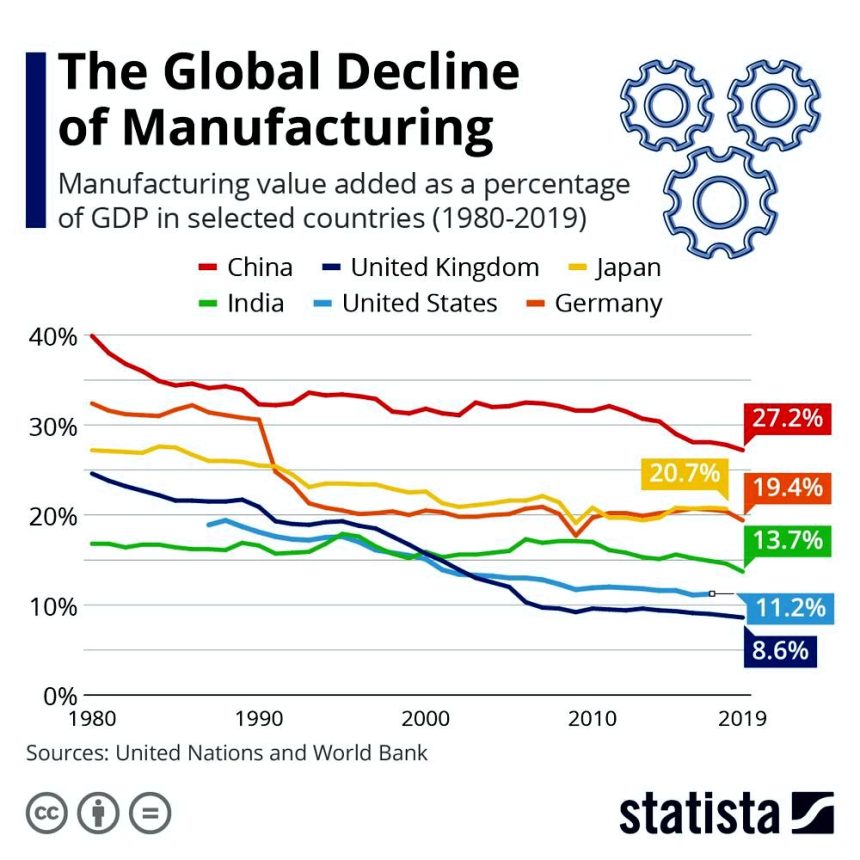
1. Analysis of Statistical Data in Industry
In modern industry, statistical data serves as an important tool for analyzing and understanding emerging trends in the field. Analyzing statistical data in industry allows companies to identify current trends, understand market behavior, and gain important insights for fact-based decision-making.
Current statistical data in the industry presents a comprehensive picture of the changing reality in the field. Thanks to this analysis, areas of growth and prosperity can be identified, enabling a focus on them to improve business performance and profitability.
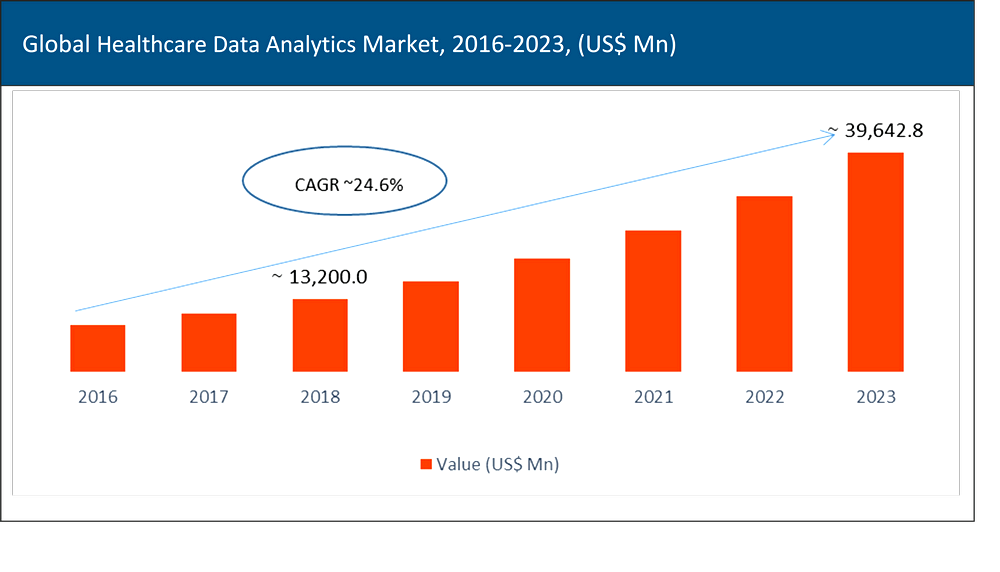
Performing statistical data analysis in industry also integrates into the planning and development process of business policy. The comprehensive information gathered from the analysis allows companies to set clear objectives, identify challenges and opportunities, and acquire the necessary tools for success in the evolving business world.
Statistical data help us understand the ways in which the industry is evolving and changing.
Avi Cohen – Business Development Manager
Statistical data analysis also serves as a powerful tool for efficient process management in companies. By understanding numerical data, ethical values can be identified, precise goals can be set, and data-driven actions can be promoted over emotions.
In conclusion, statistical data analysis in industry is an important tool that helps companies understand the environment in which they operate, identify opportunities and disruptions, and make decisions based on facts rather than emotions.
Current Statistical Data in Industry
In the rapidly changing business world, the importance of statistical data in industry has significantly grown in recent years. The numerical information obtained from statistical data assists organizations in identifying trends, determining the effectiveness of actions, and making fact-based decisions rather than decisions based on emotions. Statistical data may contain information on profitability, sales market, production processes, and more, making them important tools for efficient and sophisticated business management.
Using statistical data enables businesses to be more efficient and successful in a time when information is received in real-time and can be analyzed using advanced technological tools. Decision-making processes based on data lead to performance improvements, increased profitability, and sustainable business growth.
In the modern digital age, the importance of statistical data in industry continues to rise. Organizations that understand and use statistical data efficiently and wisely are those that will succeed in coping with market challenges and gaining a competitive advantage amid technological and economic changes.
Statistical Data on Leading Companies in Industry
Current statistical data indicates the strength of leading companies in the global industry. According to recent studies, companies like Amazon, Apple, Visa, and Google hold high stocks and offer unique services and products that significantly impact the market.
The data also shows an increase in the number of respondents and customers of these companies, indicating their success and popularity among the general public. These companies innovate technologically while maintaining quality and excellent customer service, achieving impressive results in the economic and business sectors.
Conducting statistical analysis can lead to the discovery of new processes and advanced methodologies in the industry.
Michal Cohen – Research Manager
According to statistical data, these companies efficiently deal with challenges such as business competition, economic crises, and changes in consumer culture. They evolve and adapt to the changing reality while upholding important business principles like ethics, social responsibility, and financial stability.
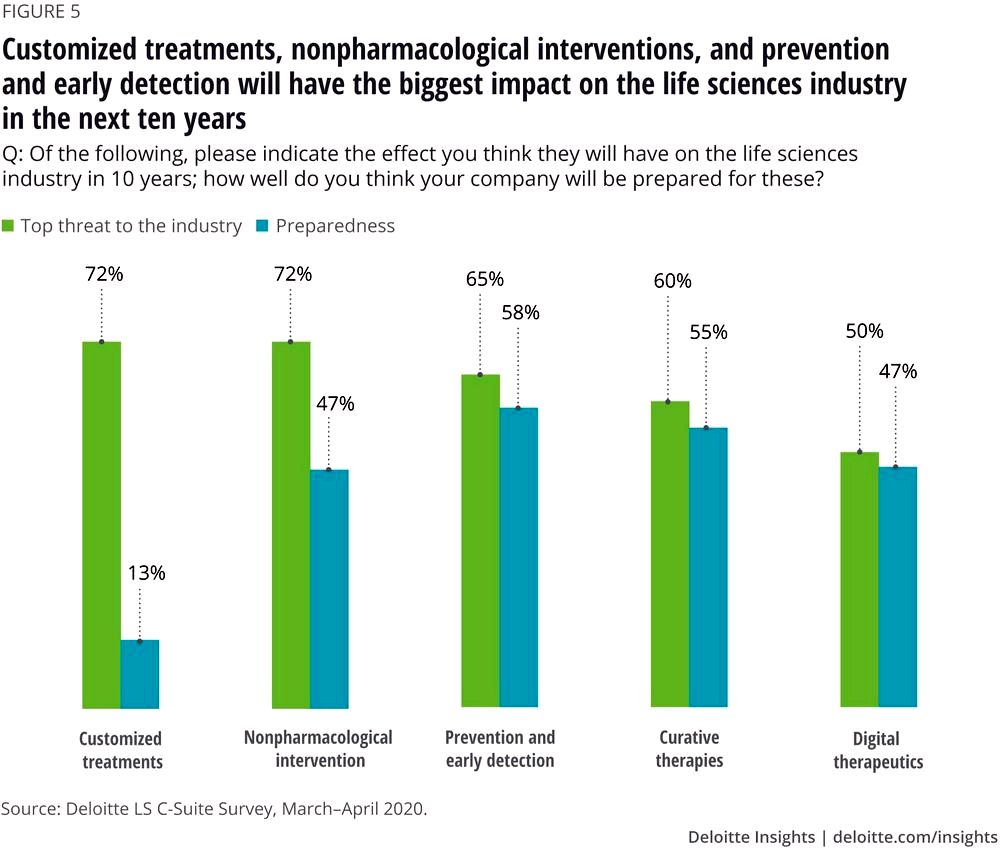
4. International and Local Data Comparison
Comparing statistical data between industries worldwide and locally can provide important evidence regarding trends and patterns in the industry. Comparing international and local data can help us understand how our local reality relates to the global reality.
For example, statistical data on the technology industry in the United States may show significant growth in that field, while data on the technology industry in Israel may indicate a completely different situation. By comparing the two sets of data, we can see the differences and similarities between them.
Comparing international and local data may provide a more comprehensive picture of trends and patterns in the industry, helping management and planning systems make decisions based on accurate and current data.

Future Predictions for Industry
The industry encompasses a variety of sectors and a diverse array of statistical data that indicate its current state and allow for the assessment of future trends. Future predictions for industry vary based on several factors such as new technologies, market conditions and consumer needs, globalization processes, and more.
One of the key future predictions is the much faster growth of technologies in the internet and digital field. In the past decade, we have seen the development of technologies like facial recognition, machine learning, and robotics, all of which will impact many industries in the future. It seems that this trend will continue and replace many of the existing human roles in the industry.
Another fascinating prediction is the shift to an economy closely tied to services. With the development of technology and the internet, it appears that it will be even easier and more convenient for consumers to purchase services through their computers or smartphones. This may change the way business is conducted and create a greater need for professional guidance and consultancy services.
Additionally, it seems that the industry will continue to evolve due to a wave of technological innovations and adaptations to market requirements. Utility and manufacturing companies will need to be flexible and adaptable to changes to remain relevant and strengthen in the evolving and competitive industrial world.
In conclusion, future predictions for the industry offer new opportunities and challenges that will require companies to be stable, creative, and adaptive to changes in order to succeed and grow in today’s dynamic and changing business environment.
Understanding statistical data allows us to analyze global trends in the escort services field and offer advanced solutions.
Itay Levi – Business Consultant