
New Technologies in Business
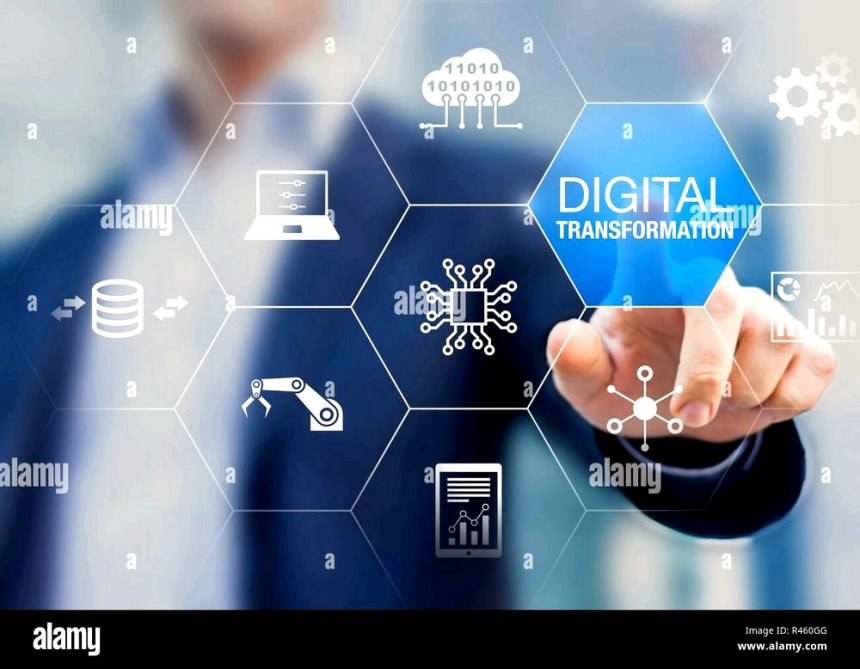
Digitization in business is a process that changes the way organizations and businesses operate in the age of advanced technology. Advanced technology influences all areas of business – from management, marketing, operations, and more.
One of the key trends in digitization is the use of cloud systems. Cloud systems provide storage and services over the internet, allowing great flexibility and cost reduction. The use of cloud systems enables businesses to grow and develop rapidly and efficiently.
Great achievements in business are made by those who succeed in convincing and managing the digital transformation
Rachel Cohen – Business Development Manager
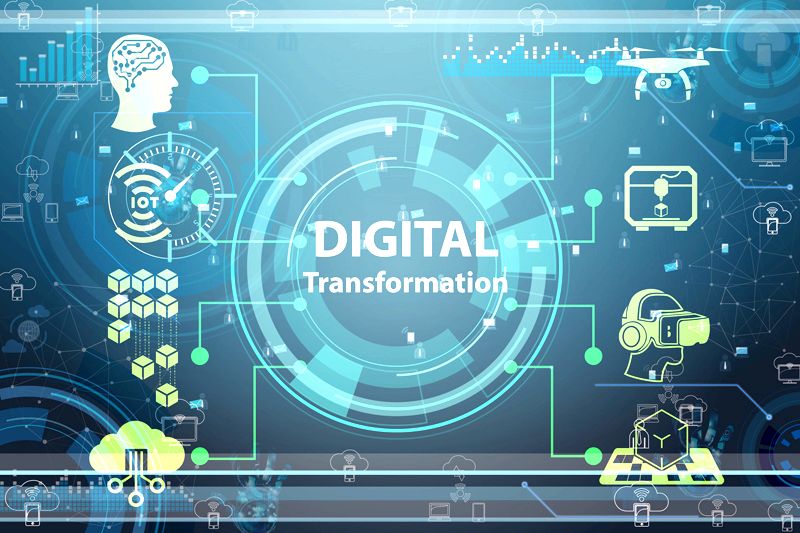
A new and interesting technology is the use of big data and artificial intelligence. Big data enables businesses to analyze large amounts of data and gain deep insights that can improve their decision-making. Artificial intelligence allows systems to learn and develop independently, giving them a competitive advantage.
Another key trend is the use of robots and automation. Robots and automated systems can perform complex tasks quickly and efficiently, reducing costs and increasing business efficiency.
In conclusion, it is important to understand that digitization in businesses is a double-edged sword. Businesses that do not invest in new technology and key trends will lose their competitive advantage, while businesses that innovate and invest in technology will succeed in advancing and growing in the digital age.
The Impact of Advanced Technology on Small and Medium Businesses
Digitization in businesses is a vital process that impacts the entire business world, especially small and medium businesses. Advanced technology brings significant changes to how businesses are conducted, communication, and customer service. We can see how technology influences small and medium businesses impressively, encouraging them to progress and grow.
One of the central impacts of advanced technology is the ability to improve business operations and increase efficiency. With innovative digital tools, small and medium businesses can manage themselves more efficiently, improve work processes, and save time and resources.
Technology also allows businesses to reach customers in innovative and engaging ways. Through digital platforms and social networks, small and medium businesses can promote their products and services, boost sales, and reach a wider audience.
The ability to adapt to changes and integrate smoothly will be the key to success in 202.
Itay Cohen – Project Manager

Another advantage of advanced technology is the ability to enhance the customer experience. Businesses that use advanced digital tools can provide customers with quick and efficient service, improve customer relationships, and increase customer satisfaction.
In conclusion, advanced technology has a positive and significant impact on small and medium businesses. Therefore, it is important to understand the latest trends and use technology wisely to succeed and grow in the digital business world.

Key Digital Tools in the Business World Today
When discussing digitization in businesses, it is important to understand the key trends that are influencing the field today. The business world today is evolving rapidly, and the use of digital tools has become an integral part of daily business operations. Therefore, it is crucial to recognize the central tools that represent the most advanced technology and enable businesses to succeed in the continuous digital world.
One of the most central tools in the business world today is Customer Relationship Management (CRM) systems. These systems allow businesses to track their customers, manage relationships with them, and create quality and efficient connections. By using CRM, businesses can streamline marketing, sales, and customer service operations and significantly improve the customer experience.
Another essential tool in the business world today is digital project management platforms. These platforms enable teams to collaborate, manage projects efficiently, and track their progress in real-time. With digital project management platforms, workflow can be improved, efficiency increased, and errors reduced.
Another key digital tool is Business Intelligence (BI) platforms. These platforms enable businesses to analyze and understand their data, create comprehensive reports and statistics, and gain insights that help make informed and fact-based decisions.
In summary, the use of central digital tools like CRM, digital project management platforms, and data management platforms is essential for the success of every business today. Every business owner needs to understand the advantages they offer and leverage the significant potential they provide.
How Businesses Can Implement New Technologies to Increase Their Efficiency and Profitability
Digitization is now an integral part of businesses in the age of advanced technology. With the continuous development of new technologies, businesses are looking for ways to implement them to increase their efficiency and profitability. How can new technologies be implemented optimally to achieve impressive results? Here are some important tips:

- Understanding Business Needs: Before implementing new technology, it is important to understand the business’s exact needs and the problems to be solved. Only with a deep understanding of the needs can the most suitable technology be chosen.
- Choosing Customized Solutions: Every business is unique, so it is essential to choose technological solutions tailored to the business’s needs. This ensures that the technology will help improve efficiency according to the business’s requirements.
- Investing in Staff Training: Investing in staff training on new technologies is crucial for their successful implementation. Employees need to be skilled and ready to use new technological tools in the most efficient and effective way.
- Continuous Monitoring and Improvement: After implementing the new technology, it is important to monitor and improve the process continuously. Only through monitoring and improvement can it be ensured that the technology truly enhances the business’s efficiency and profitability.
In conclusion, digitization in businesses is an important and vital process for their success. By understanding business needs, choosing customized solutions, investing in staff training, and continuous monitoring and improvement, new technologies can be implemented optimally to increase the business’s efficiency and profitability significantly.
The Challenges and Opportunities Revealed in Business Digitization
Digitizing a business is a new world that offers many challenges and opportunities for businesses of all sizes. In the age of advanced technology, the importance of businesses transitioning to a digital environment is critical for survival and growth.
One of the central challenges is the difficulty of adapting businesses to technological and digital changes. Businesses need to be flexible and willing to change to adapt to market requirements and remain relevant in the digital age.
The opportunities revealed in transitioning businesses to digitalization are numerous. By investing in technology and digital processes, customer experience can be improved, stability increased, and the business’s competitiveness enhanced.
Additionally, transitioning a business to digitalization allows companies to advance more efficiently and quickly, save costs, and improve organizational workflows. All of this leads to performance improvement and better business results.
The leaders in business are those who understand and implement the new digital trends
Shira Levy – Marketing Consultant
In conclusion, transitioning businesses to digitalization is an important process that needs to be handled carefully, understanding the challenges and opportunities it brings. By focusing on developing and improving technological and digital knowledge, success can be achieved in transitioning to a digital reality and creating a successful future for the business.